If police start questioning you in Indiana, avoid volunteering information. Ask, “Am I free to leave?” If the answer is yes, leave. If the answer is no, clearly invoke your rights: “I want a lawyer. I plead the 5th. I do not consent to a search.” Why Do Police Ask So...
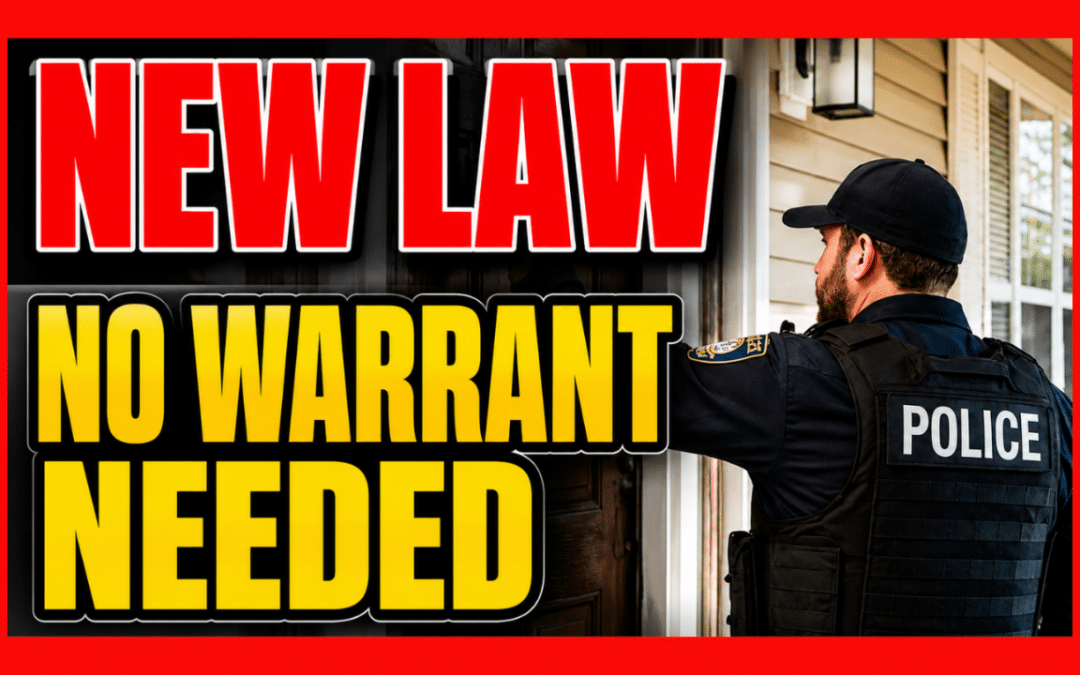
If police say they are conducting a welfare check, staying completely silent can matter. In Case v. Montana, the U.S. Supreme Court held that officers may enter without a warrant when they have an objectively reasonable basis to believe someone inside needs emergency...
Indiana DUI FAQs: What Happens After a DUI Arrest? 1. What happens after you are arrested for a DUI in Indiana? After an Indiana DUI arrest, you will usually go to jail and may be released once you sober up. Many first-time DUI defendants are released on their own...
Indiana DUI Checkpoint FAQs: What Drivers Need to Know 1. Are DUI checkpoints legal in Indiana? Yes. DUI checkpoints can be legal in Indiana when they are conducted reasonably and follow constitutional safeguards. Indiana courts consider factors such as neutral...
Yes. Under the U.S. Supreme Court’s 2026 decision in Case v. Montana, police may enter a home without a warrant to provide emergency aid. Officers do not need probable cause. They need an objectively reasonable basis to believe someone inside faces serious injury or...
Duane “Keffe D” Davis was convicted in Tupac Shakur’s murder after prosecutors built a case heavily around Davis’s own statements. His interviews, recorded accounts, and 2019 memoir helped connect evidence that had remained incomplete for decades. A Las Vegas jury...