Being charged with a DUI/OVWI in Hamilton County, Indiana, is a serious legal matter that requires immediate attention. The process typically begins with law enforcement suspecting intoxicated driving, leading to chemical testing, booking, and an initial hearing. At...
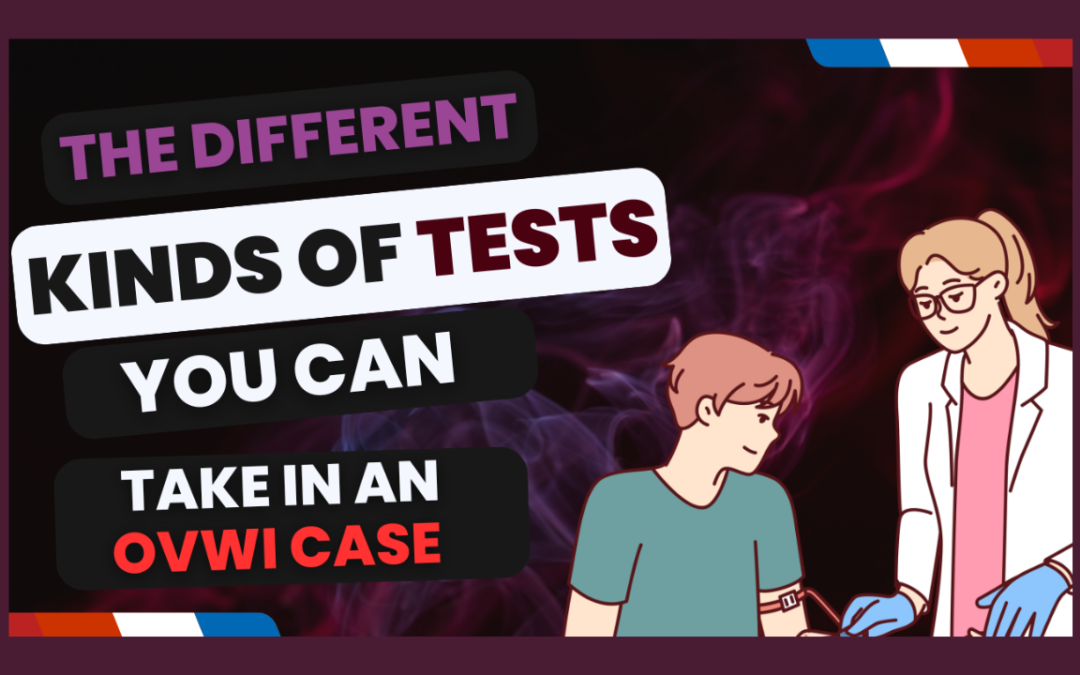
When charged with a DUI / OVWI (Operating a Vehicle While Intoxicated), it’s important to understand the different types of tests used to determine intoxication. Law enforcement officers rely on three primary methods: the Portable Breath Test (PBT), the official...
In Indiana OWI cases, “endangerment” refers to any driving behavior that poses a potential risk, even if it doesn’t seem reckless. Many assume it requires extreme actions like speeding or swerving dangerously, but the threshold is surprisingly low. Common...
A second DUI offense in Indiana comes with serious legal consequences, including mandatory jail time or extensive community service. The law requires a minimum of five days in jail or 240 hours of community service, but many judges and prosecutors push for harsher...
Facing a DUI charge can have serious consequences, making the decision to hire an attorney essential. One of the most immediate concerns is the potential suspension of your driver’s license, which can significantly impact your daily life. A skilled attorney can...
Indiana’s DUI laws establish multiple blood alcohol concentration (BAC) limits, each carrying different legal consequences. Drivers under 21 face DUI charges at a BAC of 0.02, while a BAC of 0.05 can serve as evidence of impairment in court. The standard legal limit...