Yes. In Chatrie v. United States, decided June 29, 2026, the United States Supreme Court held that police conduct a Fourth Amendment search when they obtain a person’s Google Location History data. That means the government generally needs a real warrant supported by...
In Indiana, the driver usually must show a license during a lawful traffic stop. A passenger usually does not have to show ID unless the officer has a lawful reason tied to that passenger. Showing ID does not mean answering questions or consenting to a search. Does...
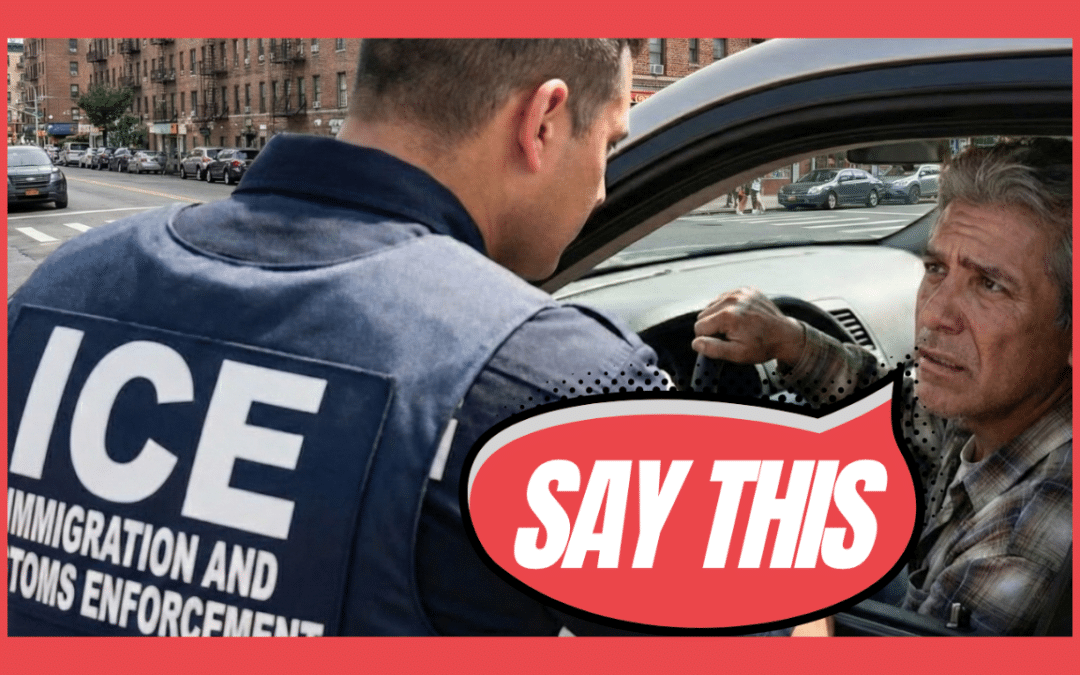
You’re driving home. Out of nowhere, red and blue lights flash behind you. Your stomach drops. You pull over. But instead of local police, an ICE agent walks up to your window. In that moment, your heart is racing and your mind is scrambling. And that’s exactly when...
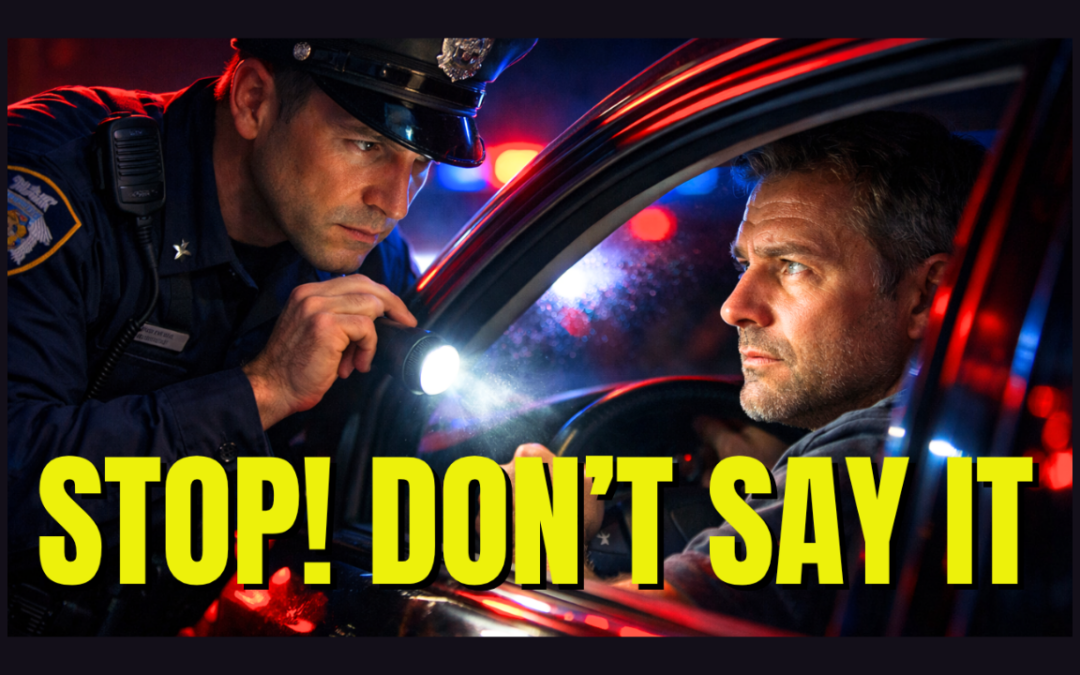
Traffic stops feel routine, right up until they aren’t. One wrong answer can turn a simple warning into handcuffs. Police officers are trained to ask questions that sound harmless but are intended to gather evidence. If you don’t know your rights, you can hand that...
When a police officer starts asking questions, most people want to explain. They want to be helpful. They want to prove they have nothing to hide. That instinct can be dangerous. Police questioning is not a casual conversation. It is part of a criminal investigation,...
You’re driving home after dinner with your family. Red and blue lights flash in your rearview mirror. Your stomach drops. You pull over. You’re a lawful gun owner. You believe in transparency. You don’t think you’ve done anything wrong. Then the officer walks up and...